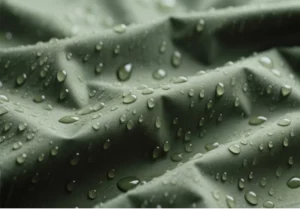
Multilayer production joins materials to improve comfort, protection, strength, or appearance. It is common in underwear, apparel, shoes, home textiles, automotive interiors, and electrical components. Yet each added layer creates chances for waste: uneven coating, excess adhesive, trapped air, weak bonding, and rejected parts.
PUR adhesives for multilayer production help control these losses because they can be applied in a thin, targeted layer and form a durable bond through moisture curing. This gives manufacturers better control over adhesive use while protecting final-product performance.
Why multilayer production creates waste
Waste in lamination often builds through small process losses. Spray may land outside the bonding area. A film may need trimming after cutting. A weak bond may only fail after sewing, molding, washing, or assembly, when the part has already absorbed labor, energy, and inspection time.
Typical sources include:
- Overspray and adhesive outside the bonding zone
- Uneven coating that creates weak spots or visible marks
- Excess adhesive that reduces softness or breathability
- Delamination during washing, heat, bending, or vibration
- Rework caused by a narrow open time or pressing window
A suitable multilayer lamination adhesive must match the substrate, application method, production speed, and final use. The goal is a stable process that uses only the amount of adhesive the product needs.
How PUR adhesives reduce waste
The waste-saving effect of PUR becomes clearer when we follow the production process. The adhesive affects material use, positioning speed, and bond durability. These details decide whether a batch moves forward or returns to the line for correction.
Precise application uses less adhesive
PUR hot melt adhesive is heated before application, then reacts with moisture and crosslinks into a stable structure. Depending on the product, it can be applied by dots, lines, spray, or roller coating. Targeted dispensing places adhesive only where bonding is needed, which can reduce overspray and make consumption easier to measure.
This is especially useful for soft and breathable products. A heavy adhesive layer may create stiffness, block air movement, or show through thin fabric. A controlled coat supports the required bond with less change to the original handfeel. Roller coating can also support pre-coated semi-finished materials, reducing repeated coating work when storage conditions are suitable.
Strong bonds prevent rejected parts
The lowest adhesive price does not always mean the lowest production cost. If a bond fails after assembly, the real loss includes labor, energy, inspection, and disposal. PUR adhesives reduce manufacturing waste when their strength and flexibility fit the finished product.
For underwear and elastic textiles, this balance matters. ANNELPU® invisible glue-dot solutions are designed for smooth, close-fitting products. Around 300% stretch without glue breakage and resistance to about 50 machine washes under stated conditions. Each factory should confirm performance on its own fabrics, equipment, and wash cycle.
A wider process window reduces rework
A narrow process window leaves little room for changes in temperature, humidity, line speed, or substrate condition. A suitable PUR system gives operators workable open time and clear pressing conditions. One ANNELPU® process reference uses a barrel temperature of 130-135°C, a flow-channel temperature of 220-230°C, pressing at 85-100°C for 10-20 seconds, and curing for at least 12 hours. These values are starting points, not universal settings.
Supplier testing before mass production can prevent repeated trial runs. We assess bonding behavior against the actual substrate and process so customers can move toward a stable production window with fewer avoidable samples.
Material features that support cleaner production
PUR adhesives combine the processing behavior of a hot melt with the later strength of a moisture-curing polyurethane network. This is useful when different layers expand, contract, bend, or absorb moisture at different rates. Material selection still matters, but the chemistry gives manufacturers more flexibility than a rigid bond.
Moisture curing builds a durable bond
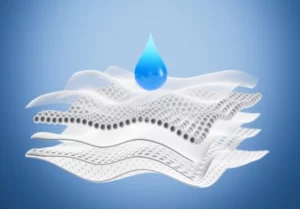
After application, a PUR prepolymer reacts with moisture in the air or substrate and crosslinks. The adhesive first allows the operator to position and press the layers. It then develops a more stable structure during curing, helping the laminate resist washing, heat, vibration, and repeated movement.
Reactive and hot-melt adhesive routes can also reduce reliance on solvent-heavy processes. Efficient application matters here too. Better transfer efficiency lowers the amount of adhesive needed and reduces overspray waste.
Elasticity protects flexible products
A rigid bond may crack when the substrate stretches. Flexible polyurethane adhesives can move with fabrics, foam, films, leather, and other layers. ANNELPU® jelly glue examples include NEL-9320 with reported elongation of at least 600% and NEL-9330 with reported elongation of at least 900%.
For waterproof-breathable textiles, the adhesive must hold the membrane without closing the structure. One case shows moisture-vapor transmission of 13,800 g/m²·24h, with an improvement of about 30% against a comparable adhesive. The complete laminate still requires testing.
Product categories and main applications
There is no single PUR formula for every multilayer line. A lingerie cup, automotive interior, shoe insole, and electrical component face different demands, including softness, initial tack, open time, heat resistance, reactivation, or moisture resistance.
Underwear and apparel
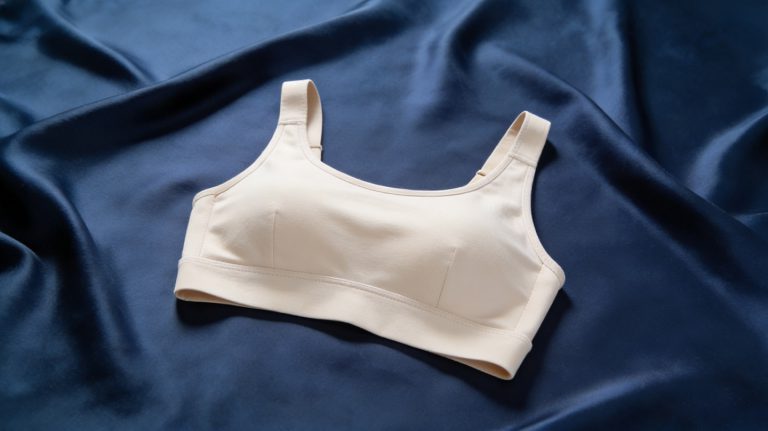
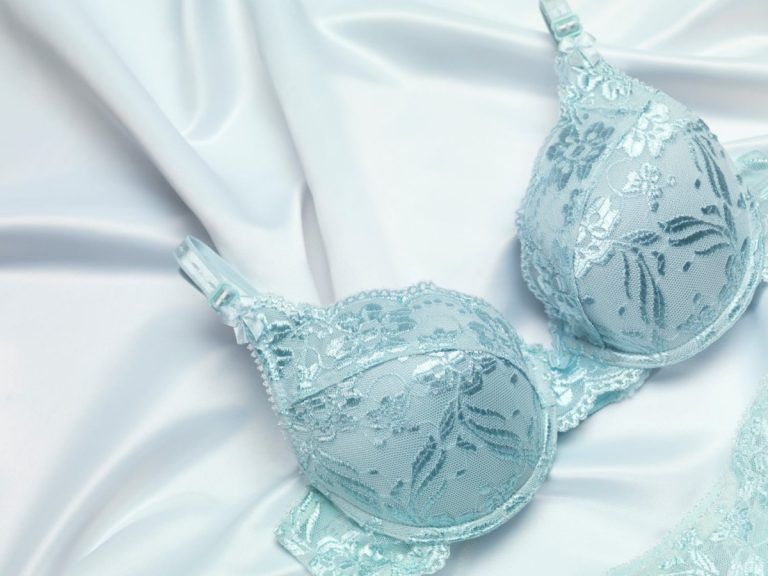
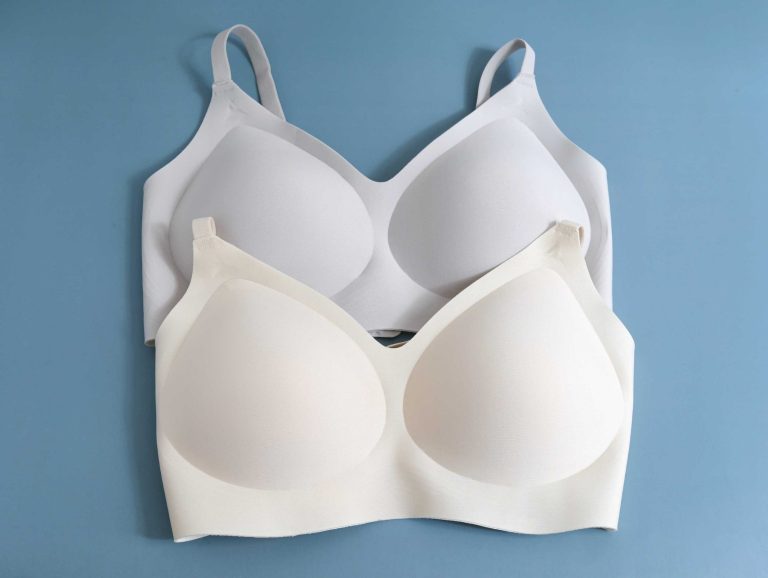
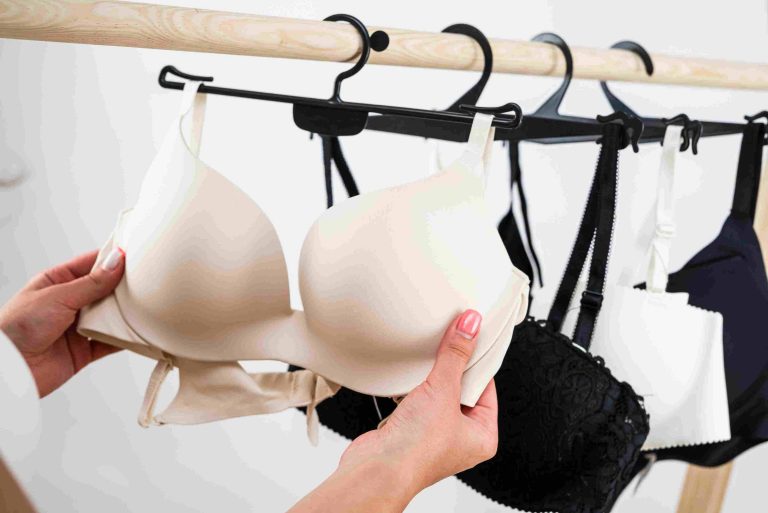
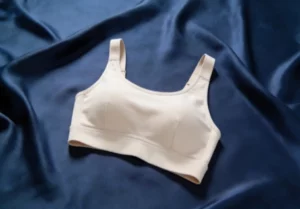
The underwear industry solutions from ANNELPU® cover applications such as seamless underwear, bra cups, and fabric or sponge bonding. Invisible dispensing helps keep the finished product smooth. Low odor and soft handfeel also matter when adhesive sits close to the skin.
For apparel, PUR adhesive solutions for the apparel industry can support edge folding, functional garments, decorative fabrics, waterproof-breathable membranes, and flame-retardant textile structures. Roller coating and edge dispensing help control coverage and reduce visible defects.
Automotive, home textile, shoes, and electrical components
In automotive interiors, low odor, low VOC, quick initial tack, low bleed, aging resistance, and possible heat reactivation can all help reduce rework. The automotive industry range is built around these practical production needs.
The same waste question applies across other categories:
- Home textile applicationsneed a soft finish, reliable lamination, and consistent appearance.
- Shoe materials may need bonding for sponge, EVA, SBR, fabric, insoles, and functional uppers.
- Electrical components often require clean bonding, stable adhesion, and controlled processing around assembled parts.
The right product delivers the required bond with accurate application and fewer failed assemblies.
Current trends affecting adhesive selection
Adhesive decisions now sit inside wider concerns about emissions, traceability, product life, and resource use. Buyers want technical data that connects the adhesive to the finished product, plus support when new fabrics, films, foams, or recycled materials enter production.
Textile apparel is a priority product group in the European Union’s ecodesign work plan, with future Digital Product Passport requirements intended to improve information across the value chain.
Automotive production is changing as electric vehicles expand. The International Energy Agency reported more than 17 million electric car sales globally in 2024. This keeps attention on lightweight interiors, electrical parts, odor control, and reliable bonding.
Manufacturers can evaluate adhesive quantity, transfer efficiency, heating demand, line speed, open time, pressing conditions, durability, odor, VOC requirements, and end-of-line rejection.
Why ANNELPU® is a practical development partner
Reducing waste requires more than changing the adhesive. The supplier needs to understand the substrate, equipment, line conditions, and finished-product expectations. A formula that works on fabric may behave differently on foam, film, or a coated surface.
At ANNELPU®, we develop polyurethane new-material technologies for industrial applications. Our coverage includes underwear, apparel, shoe materials, automotive interiors, electrical components, and home textiles. We also support customized development when a standard grade does not fully match the customer’s process.
Our technical work matches adhesive behavior to the production problem. That may mean a softer formula for underwear, a breathable textile adhesive, a low-odor automotive grade, or a reactive system with later heat reactivation. Annel Polyurethane Materials has annual production capacity above 30,000 tons and serves customers across five continents.
Conclusion
PUR adhesives reduce waste in multilayer production by improving control at several points. Precise dispensing can lower overspray and excess coating. Flexible, moisture-cured bonds can reduce delamination and rejected parts. Suitable open time, pressing conditions, and pre-coating methods make the line easier to manage. The right choice still depends on the full construction and process. Testing with actual substrates, equipment, and end-use conditions turns waste reduction into a measurable production improvement. For purchasing teams, this means comparing adhesive use per part, rejection rates, energy demand, and service life rather than unit price alone. It also means validating the full laminate before approving a production change.
FAQs
Q: What are PUR adhesives for multilayer production?
A: They are moisture-curing polyurethane hot melt adhesives used to bond multiple layers with controlled application and durable flexibility.
Q: Can PUR hot melt adhesive reduce manufacturing waste?
A: Yes. Accurate application and strong bonds can reduce overspray, excess adhesive, rework, and rejected multilayer parts.
Q: Which industries use polyurethane adhesive for textiles?
A: Underwear, apparel, home textiles, shoes, automotive interiors, and electrical components commonly use polyurethane adhesive for textiles.