
Factories in Southeast Asia work in a climate that tests every bonding process. A line may start in the morning with acceptable open time, then face higher humidity after rain, higher room temperature in the afternoon, and more moisture carried by fabric rolls stored near loading doors. For underwear, apparel, automotive interiors, home textiles, footwear, and electrical components, adhesive stability affects much more than peel strength. It affects hand feel, odor, wash resistance, rework rate, and delivery timing.
The short answer is yes, PUR adhesive can stay stable in humid plants, but the plant must respect how the material cures. PUR is a moisture-curing reactive polyurethane hot melt adhesive. It bonds when hot, then reacts with moisture in the air and crosslinks into a stronger chemical structure. That is why humidity can help curing, yet also cause trouble when storage, melting, or open time runs out of control.
At ANNELPU®, we focus on polyurethane new material development and application. Our work covers polyurethane adhesive materials for textiles, underwear, shoes, automotive interiors, home textiles, electrical components, and related composite materials. This article explains how PUR adhesive behaves in humid plants, what buyers should check before mass production, and where different product types fit.
Why Humidity Matters for PUR Adhesive Stability
Southeast Asia’s manufacturing growth has made this question more urgent. Apparel, footwear, electronics, and automotive supply chains continue to shift into Vietnam, Indonesia, Thailand, Cambodia, Malaysia, and nearby markets. At the same time, recent industry reports warn that heat and humidity can raise defect rates, slow production, and affect product quality in garment supply chains, especially when factories lack climate control.
For adhesive users, humidity changes three things at once: the surface condition of substrates, the working life of the adhesive, and the curing speed after bonding. A stable PUR process does not fight moisture blindly. It controls when moisture reaches the adhesive.
Moisture Helps Cure the Bond After Pressing
PUR adhesive contains polyurethane prepolymer. After application and pressing, the material reacts with moisture and forms a crosslinked structure. That final network gives the bond better resistance to heat, washing, aging, and repeated flexing than ordinary physical bonding systems.
In underwear and apparel plants, this matters because finished goods face stretching, washing, drying, sweat, steam ironing, and sometimes hot-water treatment. In automotive plants, the same idea supports interior materials that must keep stable adhesion after heat aging and daily cabin temperature swings. For home textiles and shoes, the bond must also survive folding, rubbing, and long storage before sale.
Excess Moisture Can Shorten the Working Window
The risk comes before bonding. If PUR adhesive meets too much moisture while sitting open, heating too long, or moving through poorly sealed hoses, it may thicken, skin, or lose its clean flow. In dot dispensing, this can create rough glue points. In roller coating, it can change coating weight. In spray application, it can make the pattern less even.
For humid plants, process discipline matters:
- Keep adhesive containers closed before use.
- Limit the time after opening and heating.
- Match barrel, hose, runner, and nozzle temperatures to the product.
- Check substrate moisture before lamination.
- Let bonded parts cure long enough before washing, trimming, packing, or testing.
ANNELPU® recommends that users confirm values with their own materials and plant conditions because fabric, foam, film, leather, TPU, PVC, and sponge all absorb and release moisture differently.
Material Features That Make PUR Suitable for Humid Plants
PUR adhesive works well in Southeast Asia because it combines hot-melt processing with reactive curing. A hot-melt bond gives fast handling strength. The moisture reaction then builds deeper durability over time. This balance fits modern production, where factories want cleaner materials but cannot give up speed.
The recent growth of low-emission adhesive demand in Asia-Pacific also supports PUR adoption. Market discussions around polyurethane adhesives point to stronger demand from automotive, electronics, packaging, healthcare, and industrial use, while low VOC and reactive hot-melt systems gain attention. This trend fits factories that need export-ready materials for global buyers.
Low Odor and Low VOC Requirements
Many buyers now ask for low odor, low VOC, and safer bonding choices. This pressure appears strongly in underwear, baby products, automotive interiors, home textiles, and electrical appliances. A low-odor adhesive helps operators on the line, but it also protects the end user’s experience when goods stay close to skin or inside closed spaces.
Our automotive product cases focus on low odor and low VOC design, quick initial tack, good wetting, soft finished hand, and stable adhesion after aging. These traits matter in humid plants because strong initial bonding reduces movement before full cure, while stable aging helps the final part remain reliable after shipping.
Soft Hand, Elasticity, and Breathability
Humidity stability should not come at the cost of comfort. In underwear and activewear, stiff bonds can ruin the product even when peel strength looks good. PUR systems can be designed for soft hand, elastic recovery, and breathable structures.
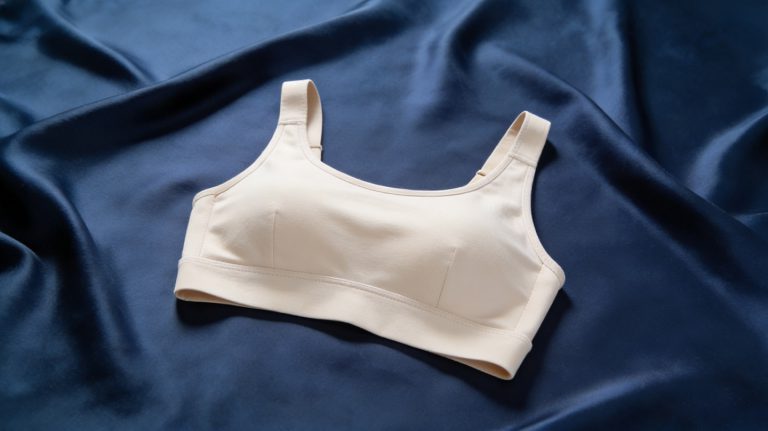
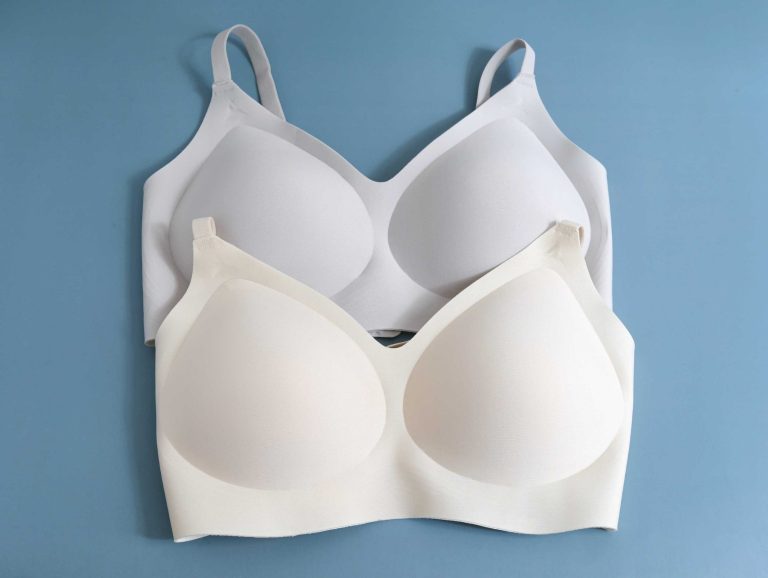
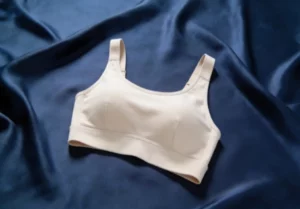
For seamless underwear and bras, our product work includes invisible glue dots, soft bonding, and elastic durability. Some dispensing glue applications are designed for 300% stretch without glue breakage and no glue detachment after 50 machine washes. For roller coating and spray applications, the target is often a softer, more breathable alternative to film bonding, with lower unit adhesive cost in suitable designs.
Product Categories for Different Plant Needs
A humid plant should not ask one adhesive to solve every bonding job. The better question is which PUR type fits the material, machine, open time, press condition, and end-use test. The underwear industry product page shows both oil-based one-component PU adhesives and PU reactive hot melt adhesives, while other categories extend the same material thinking into broader production.
Below are the main PUR application forms that buyers and engineers often compare. Each type has a different balance of working time, bonding strength, softness, reactivation, and equipment demand.
PUR Dot Dispensing for Seamless Underwear
Dot dispensing fits bonded seams, decorative lines, elastic areas, and seamless structures. Products such as NEL-9616, NEL-9601A, NEL-9616C, NEL-9617, and NEL-9616R are used where factories need strong peel, soft hand, clear or dark visual effects, or different drying speeds.
For NEL-9616C, process guidance includes glue barrel temperatures around 130-135°C, runner temperatures around 220-230°C, flat pressing around 85-100°C, and pressing for 10-20 seconds. In typical guidance, pressing within 0-20 minutes after dispensing gives better results, while the opened heated adhesive should not stay in use too long. Curing above 12 hours at controlled temperature and humidity helps the bond reach stable performance before the next process.
PUR Roller Coating and Spray Bonding
Roller coating suits sponge, fabric, foam, and some laminated layers when factories want a smooth surface and efficient production. NEL-8688 series products support pre-coating and room-temperature storage of semi-finished parts, which helps plants coordinate work across workshops or overseas production locations.
Spray bonding serves wider surfaces and shaped materials. Compared with some film bonding routes, PUR spray can support better hand feel and breathability while keeping good hot-water resistance when the process fits the fabric. For Southeast Asian factories that handle seasonal orders, a coating route that balances speed, comfort, and wash durability can reduce production pressure.
PUR Jelly Glue and Elastic Structures
PUR jelly glue is useful when designers want three-dimensional bonding lines, strong stretch, and a clean look. NEL-9320 and NEL-9330 are examples in this product family. These products can support high elongation and flexible hand, which makes them relevant for underwear, sportswear, and body-contact textile designs.
The main plant concern is flow control. Humidity, nozzle condition, adhesive temperature, and movement speed all affect the line shape. A factory should test line height, stretch recovery, washing, and yellowing before final approval.
Main Application Industries
PUR adhesive stability in humid plants matters across many production floors. The end-use tests change by industry, but the core question remains similar: can the bond keep strength, comfort, and appearance after heat, moisture, movement, and time?
Underwear and Apparel
Seamless bras, underwear cups, hem bonding, functional fabrics, outdoor garments, flame-retardant fabrics, and waterproof breathable laminates all place pressure on adhesive selection. For underwear, comfort comes first. For apparel, durability and appearance often decide whether the product passes brand review.
Our cases include NEL-9698 for garment hemming with low odor, good initial tack, long open time, soft breathability, and shape stability. NEL-1177 is used for bonding flame-retardant fabric with PU or TPU film. NEL-2019G supports textile fabric and nano waterproof breathable film lamination, where moisture vapor transmission matters.
Automotive Interiors
Automotive interior bonding needs low odor, low VOC, fast positioning, good wetting, and aging stability. In humid Southeast Asian plants, automotive materials may include foam, textile, PVC, leather, and composite layers. A reliable adhesive must resist glue bleed while keeping the finished part soft enough for interior trim.
ANNELPU® automotive cases include NEL-5199B, NEL-5063DH, NEL-5855A, NEL-3601, and NEL-3026. These product examples focus on low odor, low VOC design, quick initial tack, stable bonding, and in some cases secondary heat activation. Related product information appears in the automobile industry category.
Electrical Components, Home Textiles, and Shoes
For electrical components, PUR adhesive may bond plastics and appliance-related materials. Water resistance, stable adhesion, and clean processing are important when parts face washing machines, refrigerators, air conditioners, and kitchen appliances. The electrical components category includes reactive polyurethane hot-melt adhesive products for these applications.
Home textiles need bonding for sofa fabrics, curtain fabrics, wall coverings, anti-mite bed covers, medical sheets, baby changing pads, and fabric-film laminates. Shoe materials need bonding for outdoor sports shoes, decorative fabrics, sponge, EVA, SBR, and insole materials. In these fields, humid storage and repeated flexing can expose weak bonds quickly.
How to Keep PUR Adhesive Stable in Southeast Asia
A good PUR adhesive formula matters, but the plant process decides whether that formula can perform. Humid plants should build a simple control plan before trial production.
Key checks include:
- Store adhesive in sealed packaging and avoid long exposure before use.
- Pre-condition fabric, foam, and film in the same production area before bonding.
- Measure room temperature and humidity near the line, not only in the office.
- Set barrel, hose, nozzle, and press temperatures based on the product guide.
- Track open time during real production, including operator pauses.
- Cure samples for the required time before peel, wash, aging, or stretch tests.
- Compare initial tack and final strength separately.
- Record defects such as glue bleed, rough dots, yellowing, edge lift, and stiff hand.
Humidity should not be treated as a single number. Morning rain, afternoon heat, machine shutdowns, wet substrates, and open adhesive containers all change the real exposure. For critical goods, factories should test a normal day, a wet day, and a delayed-processing case before mass production.
Conclusion
PUR adhesive can stay stable in Southeast Asia’s humid plants when the product, process, and substrate are matched correctly. Moisture-curing polyurethane hot melt adhesive needs moisture to finish curing, but it also needs controlled storage, heating, open time, pressing, and curing. For underwear, apparel, automotive interiors, home textiles, electrical components, and shoe materials, the best result comes from testing the full production path, not only the adhesive itself. ANNELPU® supports this approach with PUR dot dispensing, roller coating, spray bonding, jelly glue, oil-based PU adhesive, and reactive hot melt adhesive products. In humid manufacturing regions, stability comes from both chemistry and daily line control.
FAQs
Q: Will PUR adhesive stability in humid plants drop during rainy season?
A: Not if storage, open time, pressing, and curing stay controlled.
Q: How much PUR adhesive should we test first?
A: Start with 1 kg to 5 kg trials before factory-scale use.
Q: Can PUR adhesive handle underwear washing tests?
A: Yes, selected grades can pass 50 washes after proper curing.