For a garment maker, a bond that looks sound on the production line still has to survive real care conditions. Repeated washing can expose weak points in a laminate, seam, or bonded trim. So, does PUR hot melt adhesive satisfy European textile wash standards? It can, when the adhesive, fabric, application process, and care conditions work together. The result must be checked on the finished construction.
European textile wash standards do not grant a blanket pass to every adhesive. They define test procedures and conditions. That distinction matters when selecting a polyurethane adhesive for underwear, apparel, or other washable products. At ANNELPU®, we develop polyurethane materials for different application needs, but the final wash result depends on the materials and process used by each manufacturer.
What European wash testing tells you
A “European wash standard” is not one universal pass-or-fail label for every textile adhesive. Standards such as ISO 6330 describe domestic washing and drying procedures used in textile testing. A test plan identifies the relevant procedure and conditions, such as washing temperature, detergent, drying method, and number of cycles. The test report then records how the specimen performs.
For bonded textiles, the specimen should reflect the intended construction. Testing adhesive alone cannot show whether a specific fabric combination will remain comfortable, flat, and firmly bonded after laundering. The substrate, coating amount, pressing conditions, and fabric finish all affect the result.
A useful evaluation may check:
- Delamination, edge lifting, or bubbling
- Changes in peel strength or bond integrity
- Shrinkage, distortion, or visible adhesive marks
- Changes in fabric handfeel, flexibility, or appearance
The right acceptance criteria depend on the garment’s use and care label. A lightweight bra panel and a frequently washed uniform may need different test plans.
Why PUR can work for washable textiles
PUR hot melt adhesive is applied in a heated state. After application, moisture helps it react and form a more developed polymer structure. This can provide a durable bond in textile lamination, while a controlled application may preserve more of the original fabric feel than an unnecessarily heavy coating.
Performance still depends on formulation and process control. Coating weight, open time, pressure, temperature, substrate compatibility, and curing conditions can change the bond. Storage and handling matter too. A reactive adhesive needs suitable conditions before and during use, and the production team should follow the supplier’s technical guidance.
Wash resistance should therefore be treated as a system property, not a feature inferred from the word “PUR.” A formulation may perform well with one fabric and poorly with another. Stretch fabrics, hydrophobic finishes, dyes, and surface treatments can affect adhesion. Before full production, manufacturers should test representative samples using the intended materials and process.
Matching the adhesive to the application
Textile products place different demands on a bond. For underwear, softness, stretch, skin comfort, and discreet bonding may be important. In outer apparel, the laminate may need to retain its shape after repeated care. Home textiles can face frequent laundering, while automotive interiors may prioritize heat, humidity, and long-term dimensional stability over household washing.
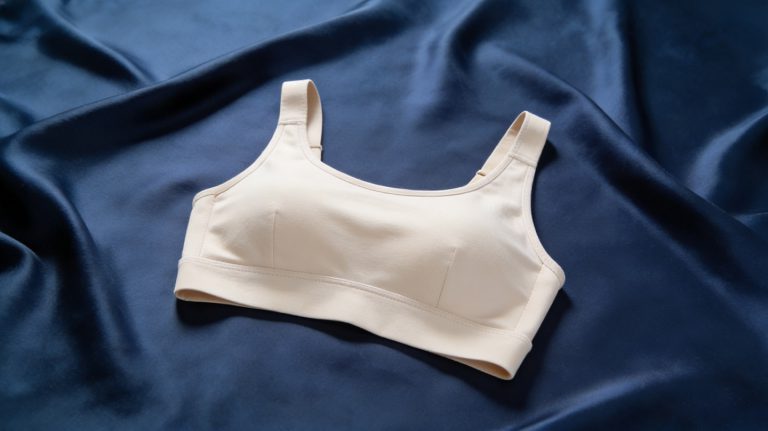
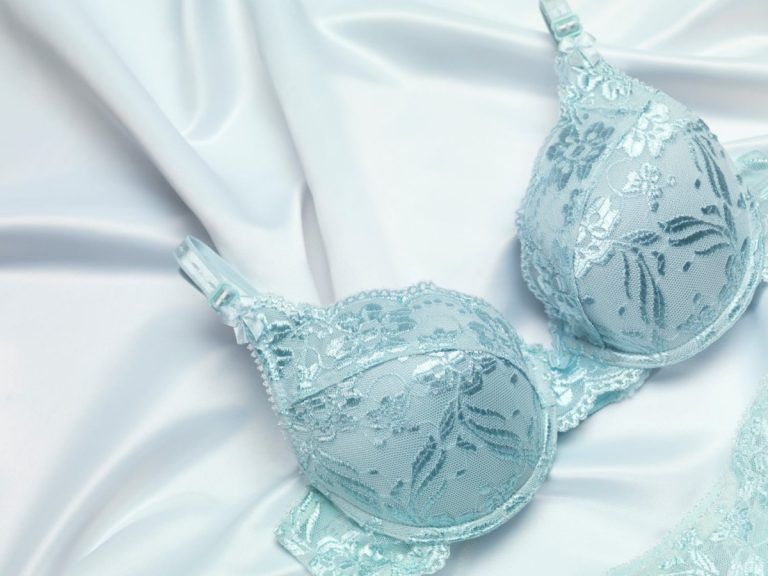
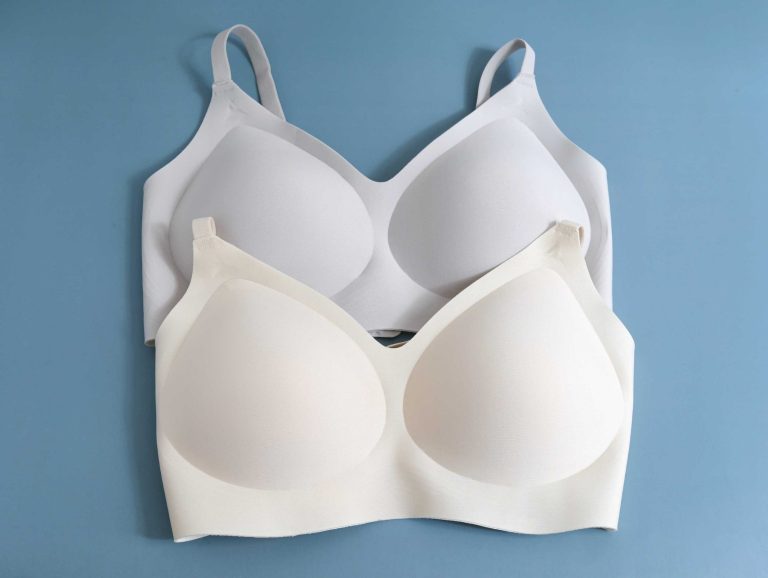
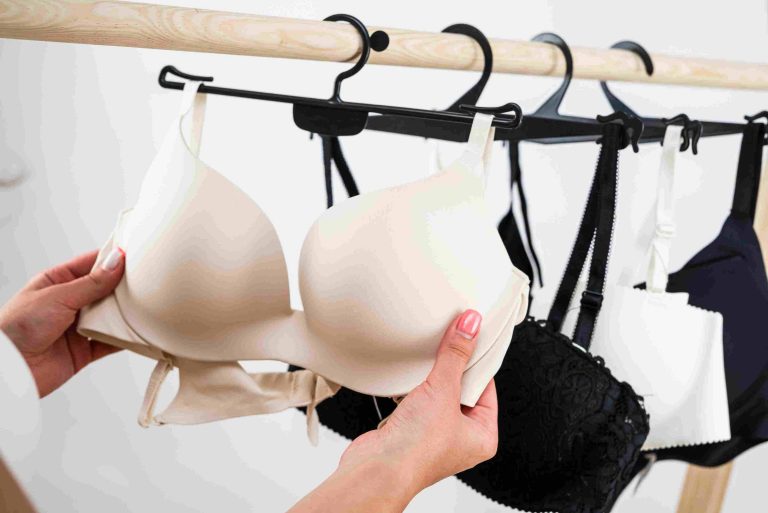
ANNELPU® serves several polyurethane adhesive application areas. Our underwear industry products are relevant to manufacturers evaluating bonded textile constructions. We also provide options for the apparel industry, where fabric type and garment care requirements guide material selection.
Other polyurethane adhesive applications include home textiles and automotive materials. These categories do not imply that one formula suits every substrate or test condition. They reflect the need to match adhesive properties to the demands of each manufacturing process.
When comparing options, teams should share the same details with their adhesive supplier: fabric composition, surface treatment, coating method, target production speed, intended garment care, and the wash test procedure. This makes recommendations more useful and reduces the risk of choosing a material based on a general claim alone.
A practical wash-validation plan
A reliable validation begins with the finished laminate or garment component, not just a small adhesive sample. Use production-representative fabric, coating weight, pressing conditions, and curing time. Then apply the agreed washing and drying procedure to the specimen.
A practical sequence includes:
- Define the use case.Record the garment type, care label, expected wash conditions, and required service life.
- Prepare representative specimens.Use the same fabric, finish, coating method, and bonding conditions planned for production.
- Choose a test procedure.Specify the washing and drying method, detergent, temperature, and number of cycles. ISO 6330 provides procedures for domestic washing and drying; the selected option should fit the test objective.
- Inspect before and after washing.Record visible changes and, where required, measure bond strength using an agreed method.
- Repeat when the process changes.A new fabric finish, supplier lot, coating weight, or curing condition can alter the outcome.
Colour fastness is a separate consideration. For example, ISO 105-C06 addresses colour fastness to domestic and commercial laundering. It does not certify adhesive durability, so teams should keep colour-change requirements distinct from bond-performance criteria.
Durability and the changing EU textile landscape
Durability is receiving more attention across European textile policy. The European Commission’s Ecodesign for Sustainable Products framework and working plan identify textiles and apparel as a priority area for future product requirements. The Commission’s current planning places preparatory work on textile rules in the coming years, making product lifespan and reliable performance increasingly relevant to manufacturers and buyers.
For adhesive selection, this creates a practical opportunity: verify whether a bonded construction keeps its intended function through the care conditions stated for the garment. Wash testing does not, by itself, establish compliance with every present or future EU requirement. It does provide useful performance evidence when the test method, specimen, and acceptance criteria are clearly documented.
Conclusion
PUR hot melt adhesive can meet the wash-performance needs of European textile applications, but the answer depends on the complete bonded construction. Fabric type, surface treatment, adhesive formulation, coating weight, curing conditions, and the selected wash-and-dry procedure all shape the result. Manufacturers should test representative components under clearly defined conditions, then inspect both bond integrity and textile appearance. Standards such as ISO 6330 help set repeatable laundering procedures, while separate tests may be needed for colour fastness or other properties. As durability gains attention in European textile policy, documented testing helps teams make sound material choices. At ANNELPU®, we recommend matching the adhesive to the application and validating the finished construction before production approval.
FAQs
Q: Does PUR hot melt adhesive pass ISO 6330 automatically?
A: No. ISO 6330 defines washing procedures; the finished textile construction must be tested against agreed criteria.
Q: How many wash cycles should a bonded garment withstand?
A: The target depends on the garment’s care label, intended use, and buyer’s test specification.
Q: Can one PUR adhesive suit underwear and automotive textiles?
A: Not necessarily. Each application needs a formulation and validation plan matched to its substrates and service conditions.