When a plant switches its PUR adhesive supplier, the main worry is seldom the sales brochure. Production crews simply want to know one thing. They need to see if the next delivery will act just like the previous one.
Will the fluid thickness stay steady? Will the glue spread nicely at the usual heat level? Will that first grip hold tight? Can the final goods survive washing, aging, peeling, or heat checks without sudden flaws?
These worries are growing much bigger today. Makers now deal with strict quality rules and lower VOC limits. They also face faster shipping deadlines and tricky material blends. This applies to underwear, apparel, automotive interiors, home textiles, footwear, and electrical components. For all these fields, steady glue batches directly impact daily costs and buyer trust.
A good PUR adhesive supplier must offer more than just a quick sample. The maker needs to prove they have steady factory lines and strict raw material checks. They must also show reliable test methods, clear usage tips, and actual field skills. This guide details the exact proof buyers need to check for steady PUR adhesive batches.
What Batch Consistency Means in PUR Adhesive Production
PUR adhesive is a moisture-curing reactive polyurethane hot melt adhesive. It turns to liquid during use. Then, it builds an early bond through heat and pressure. After that, it links with air moisture. This step forms a very tough, crosslinked web.
This chemical step gives the PUR adhesive great strength. However, it also makes the glue highly sensitive to factory settings. Tiny shifts in fluid flow or air moisture can alter things. Changes in warming time or resting conditions might also hurt the final bond.
For most buyers, steady deliveries generally mean:
Even fluid flow during daily use
Matching working windows and surface dry speeds
Firm and steady early grip
Strong peel resistance after a full cure
Matching visual shade, firmness, and stretch
Trusted defense against washing, heat, time, or fire
Uniform running habits across various factory lines
The target is never to make all glue types exactly alike. Various grades handle unique tasks. The key point is quite simple. A specific grade must yield expected traits from one run to the next.
Evidence That a PUR Adhesive Supplier Controls Quality
A vendor’s total factory output shows if they can fill huge orders. Yet, sheer size alone does not guarantee a steady product. Purchasers must seek solid proof. This proof should tie together raw material checks, factory steps, lab tests, and client help.
Stable Production and Dedicated Technical Resources
A serious brand must own a clear factory base and a strict lab. They need proper mixing tools. They also require a skilled tech crew that deeply knows polyurethane science.
ANNELPU® operates through Annel Polyurethane Materials with a yearly output passing 30,000 tons. Their work spans polyurethane adhesives, helpful additives, CPU materials, and new usage designs. This broad material knowledge is vital. After all, PUR adhesive success relies heavily on exact recipe design. It also depends on surface contact and daily running setups.
When an adhesive batch has a problem, technicians replace it with fresh adhesive. A supplier with strong technical expertise can also investigate the issue and ensure the replacement adhesive suits the buyer’s specific fabric, foam, film, leather, plastic, or sponge.
Repeatable Test Data Matters More Than One Good Sample
A single passing sample reveals very little to a buyer. A much wiser check looks at multiple factory runs. These runs must be tested under the exact same room settings.
Helpful data for comparing runs might include:
Fluid flow at a set heat level
Outer skin drying speed
Active working window
Total resting and setting time
Final stiffness or bending score
Force needed to pull layers apart
Bounce-back after heavy pulling
Power to survive hot rooms and laundry cycles
Visual look after forced aging tests
Take NEL-9616C as a clear case. Its usage guide sets a glue tank heat of 130-135°C. The hose heat sits at 220-230°C. The flat press heat should be 85-100°C. The pressing phase lasts for 10-20 seconds. It also advises a resting phase of at least 12 hours. This rest must happen in a room with strict heat and moisture controls.
These strict details build a solid testing frame. A good vendor will clearly explain the glue traits and the safe running range. When they do this, the buyer gains a much firmer ground to verify batch steadiness.
Why Process Windows Affect Batch Results
Even top-tier glue can fail if the factory steps stray beyond the safe limits. This trouble happens often in large plants. It occurs when they run many lines or use different workers. It also happens when room heat and air wetness shift around.
Therefore, the factory crew must study the glue and the working method as one unit. A dependable vendor normally hands out clear advice. This covers proper storing, warming, pumping, pressing, and resting.
Storage and Heating Control
PUR adhesive wakes up when it meets air moisture. Once the foil bag opens, extra air contact can ruin the fluid flow and the setting speed. Long warming times can spark even more unwanted shifts. This is very true when the glue sits idle inside a hot tank or pipe.
For NEL-9616C, the manual suggests using the opened and warmed glue within a four-hour window. The coated parts must also undergo pressing right after the glue drops. Waiting too long can form a bumpy skin. This delay will surely weaken the final grip.
During daily floor shifts, workers must write down:
The exact unsealing time for each foil bag
The moment the warming step begins
The heat levels of the tank and the spray pipes
Any random breaks in the running line
Glue swap details during worker shift changes
The clock times for washing and swapping spray tips
These logged notes help teams spot the real truth. They separate a true bad glue run from a simple worker mistake.
Curing Conditions and Final Testing
PUR adhesive never hits its peak strength right after the press step. Air wetness, room heat, and waiting hours heavily guide the setting pace.
The ideal resting room for NEL-9616C sits near 25 ± 5°C. The air wetness should hover near 60% ± 20%. The joined pieces must sit quietly for 12 hours minimum. They need this rest before moving to the next station or facing a strict quality check.
This fact is vital for plants that rush their lab tests. A quick pull might show a decent early grab. However, the final peel force might look weak if the chemical links are not done yet. A steady vendor will clearly teach the gap between early moving strength and ultimate holding power.
Product Types Should Match the Application
Steady runs also rely on picking the right glue family. A PUR adhesive made for tiny dot dropping might fail completely in roller coating. It may also struggle in wide-area spray tasks.
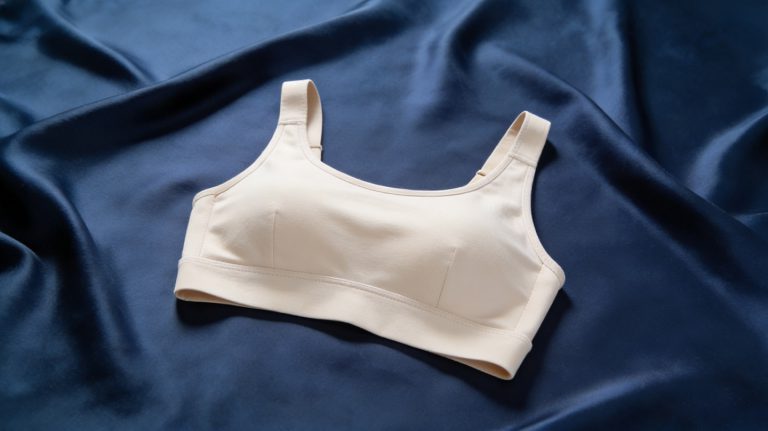
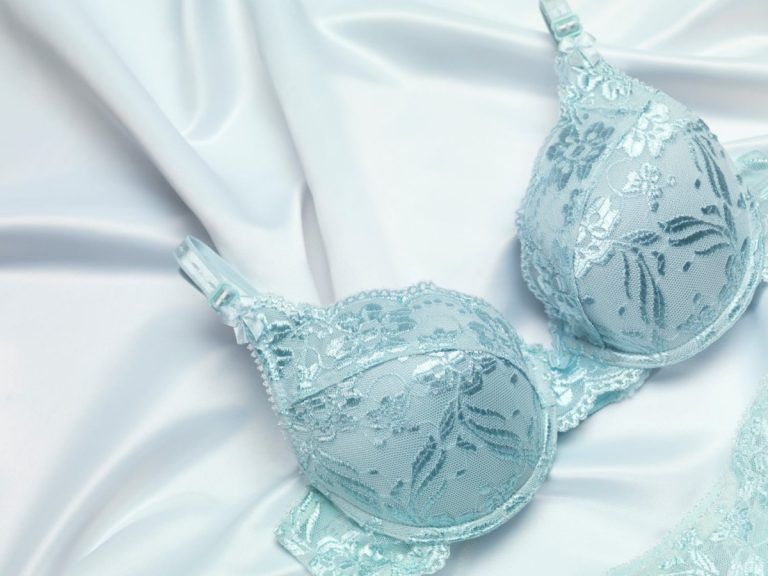
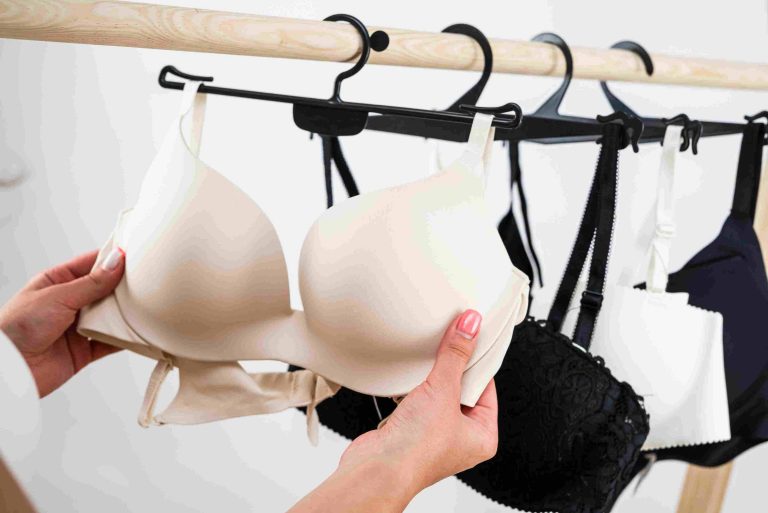
ANNELPU® sorts its glue options by trade sectors and joining styles. Shoppers can easily check the underwear industry product range. This page helps when they want thread-free seams, gentle touch, stretchy traits, or laundry endurance.
PUR Dispensing Adhesives
Dropping glues fit perfectly for hidden glue dots and sealed seams. They also work for bouncy frames and fancy trim lines. Item groups like NEL-9616, NEL-9601A, NEL-9616C, NEL-9617, and NEL-9616R bring varied blends. They mix different levels of stiffness, visual looks, working windows, and peel forces.
The final pick must match the item’s core layout:
A stiffer type can boost the pulling defense.
A gentler kind can lift user comfort and touch softness.
A dark or flat-toned version might fit strict visual goals.
A stretched working window helps a lot. It gives workers extra seconds to place parts perfectly.
A broad-use type can handle many cloth styles and factory setups.
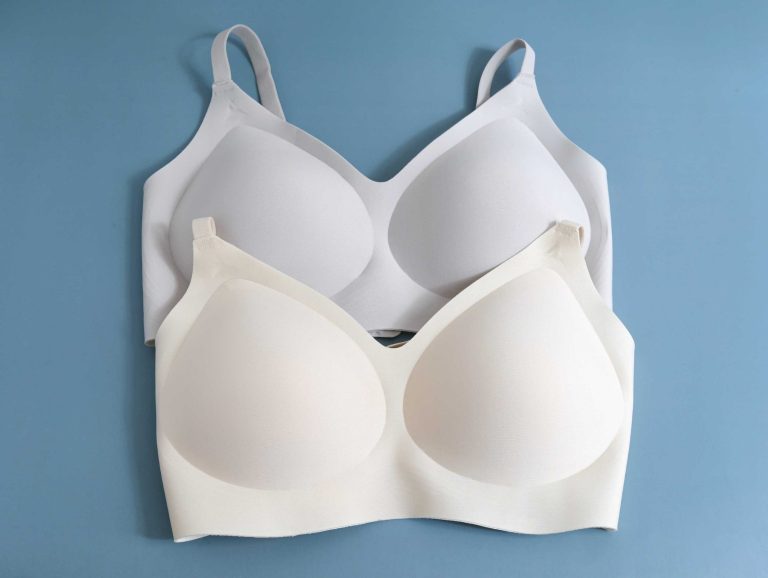
For thread-free underwear, the correct glue must keep the bond line very soft. It must also stay totally solid after endless pulling and washing cycles.
PUR Roller Coating, Spray, and Jelly Glue
Roller spreading does a great job on cloth, sponge, foam, and stacked layers. NEL-8688 uses mostly target a smooth touch and good air flow. They also aim for fast factory speeds. Plus, they allow safe room-heat storing for half-finished, pre-glued goods.
PUR spray setups can cover much larger sticking zones. They often provide a handy middle ground. They balance nice comfort, air flow, hot-water safety, and quick line speeds.
PUR jelly glue handles jobs demanding massive stretch. It also fits tasks needing clear or raised glue paths. We show NEL-9320 with a stretch rate of 600% minimumand NEL-9330 with a 900% stretch minimum. Still, buyers must test these exact numbers. They should check them on their own raw goods and factory machines.

Industries That Need Reliable PUR Batches
The hunger for steady PUR adhesive spans across many trades. The lab checks might vary a bit. Still, the main buying doubt stays the same. Will the glue act the exact same way when moving from a tiny lab test to massive daily runs?
Apparel and Functional Textiles
Garment makers often glue folded edges and stretchy zones. They also bond soft bra cups and rain-proof air films. Sometimes, they join fire-safe cloths and fancy trim pieces.
NEL-9698 serves mainly for cloth folding and border sealing. Its noted perks include a very faint smell and a nice early grab. It boasts a wide working window and gentle air flow. It also fights hard against unwanted shape bending.
NEL-1177 targets the joining of fire-blocking cloths with fire-safe PU or TPU skins. Meanwhile, NEL-2019G works best for woven cloths and thin rain-proof films. In these cases, letting sweat vapor escape is a huge deal for the final item.
Buyers can find extra cloth uses inside the apparel industry category.
Automotive Interiors
Car cabin parts demand very low smells and tiny VOC counts. They need rapid placing speeds and great surface wetting. They also require a firm grip that survives long-term aging.
The vehicle uses for NEL-5199B, NEL-5063DH, NEL-5855A, NEL-3601, and NEL-3026 clearly spotlight these strict needs. These items boast traits like a speedy first grab and faint smells. They feature clean low-VOC builds. They offer flexible working windows. Some even support a second heat wake-up step. All of them promise a steady bond after harsh aging.
These solid traits help greatly when sticking cloth, foam, leather, plastic, or other cabin skins. Shoppers can browse the automobile industry PUR adhesive range.
Home Textiles, Shoes, and Electrical Components
House fabrics often mix cloth, thin films, sponge, foam, and plush sofa goods. Footwear making can blend tough outdoor cloth, EVA, SBR, inner soles, sponge, and outer trims. Electronic parts demand very neat glue lines. These lines must hold tight during hot running times and years of daily use.
ANNELPU® also hosts special web pages for home textile applications, shoe materials, and electrical components.
A Practical Supplier Audit Checklist
Before saying yes to a PUR adhesive brand, buyers must demand hard proof. They should never just trust basic sales talk.
Always check if the maker can hand over:
A neat and exact item data sheet
Clear run tracking numbers and making dates
Safe and proper warehouse storing rules
Fluid flow stats and resting time facts
Safe heat zones and pressing force tips
Lab scores from several different factory runs
Fresh test jars from the active making line
Hands-on tech help during the first factory tries
Clear advice for laundry, aging, pulling, or baking checks
A fast action plan for when a run goes wrong
It is highly smart to test at least three separate runs. Make sure to use the exact same room settings. Contrast the glue before the drop, during the press, and after the final rest. A vendor who backs this strict check shows huge faith in their own factory rules.
Conclusion
Steady PUR adhesive runs stem from strict chemistry and calm factory lines. They also need repeatable lab checks and helpful tech backup. Purchasers must look at more than a single jar. They should ask how the brand handles base chemicals, warming steps, air contact, resting times, and final lab looks. Sheer output size matters a bit. However, the best proof comes from matching lab scores and clear running rules. ANNELPU® blends deep polyurethane science with expert labs. They boast massive making power and real field skills. This covers underwear, apparel, automotive interiors, home textiles, footwear, and electrical components. For busy factory bosses, this total package cuts down testing risks. It makes huge daily runs much simpler to manage.
FAQs
Q: What proves consistent PUR adhesive batches?
A: Matching fluid flow, working windows, early grip, pull force, and resting scores across several different runs.
Q: How much PUR adhesive should buyers test first?
A: Begin with a small 1 kg to 5 kg batch. Do this before signing off on a massive factory buy.
Q: Which records should a PUR adhesive supplier provide?
A: Always ask for tracking numbers, making dates, and lab scores. Also, demand storing tips and safe running limits.