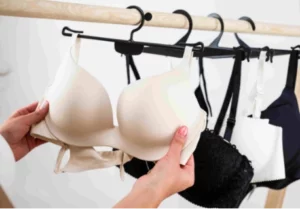
Home textiles face a simple but demanding test: they must feel soft, look clean, and stay bonded after repeated washing. Mattress covers, curtains, sofa fabrics, quilted layers, waterproof pads, and decorative laminated textiles all meet water, detergent, heat, pressure, and constant movement in real homes. If the bond fails, the product loses both function and value.
PUR glue bonds can survive repeated home textile washing when the adhesive, fabric, coating weight, pressing process, and curing time are correctly matched. The reason is chemical as well as practical. A moisture-curing polyurethane adhesive does not only cool and hold. It continues to react after application, forming a stronger network inside the bond line. That structure helps the laminate resist peeling, cracking, and softening during wash cycles.
Why Washing Is Hard on Home Textile Bonds
Repeated washing is more than water exposure. A home textile product goes through soaking, detergent contact, tumbling, squeezing, heat, drying, and flexing. These forces attack the weakest part of the laminate. Sometimes that weak point is the adhesive. Sometimes it is the surface finish, foam layer, film, or fabric itself.
For buyers, product developers, and factory engineers, wash durability matters because returns often appear after the customer has already used the product. The first sample may look good. The real question is whether the structure still feels smooth after the fifth, tenth, or fiftieth wash.
Common wash-related bonding problems include:
- Edge lifting after repeated tumbling
- Film separation from fabric
- Foam or sponge layer shift
- Hard bond lines that crack during folding
- Yellowing or odor after heat and moisture exposure
- Loss of breathability from excessive adhesive
- Uneven appearance after drying
A good washable PUR adhesive must handle these stresses without making the textile stiff or heavy.
How PUR Glue Builds Wash-Resistant Bonds
PUR glue is often used in textile lamination because it combines hot melt processing with reactive curing. This balance is important for home textiles. The adhesive needs enough flow to wet the surface, enough open time for production, and enough final strength to survive washing.
Moisture Curing Creates a Stronger Bond Line
A polyurethane hot melt adhesive is heated and applied to the textile, foam, film, or other layer. After the materials are pressed together, moisture in the air or substrate helps the adhesive crosslink. This curing stage builds a more stable bond than a simple thermoplastic layer.
That stable bond line helps resist water, detergent, and mechanical movement. It also reduces the chance of edge peel during repeated washing. In practice, the final result depends on coating amount, substrate surface, pressing temperature, pressing pressure, and curing time. Skipping curing time may make an early peel test look acceptable, but later wash results can suffer.
Flexibility Protects Soft Textile Structures
Home textiles are not rigid panels. They bend, fold, stretch, compress, and recover. A bond that is too hard may pass an initial peel test but fail during use. PUR glue can be designed with flexible polyurethane segments, allowing the adhesive layer to move with fabric, sponge, film, or nonwoven layers.
This flexibility is one reason PUR adhesives are widely used in textile-related fields. At ANNELPU®, our products include soft bonding solutions for underwear, apparel, shoe materials, automotive interiors, electrical components, and home textiles. The same material logic applies across these applications: the adhesive must match the motion and surface of the finished product.
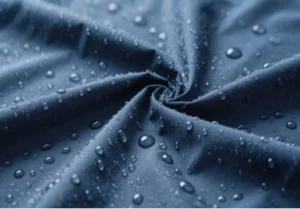
Material Features That Matter for Home Textile Washing
A washable adhesive is not judged by bond strength alone. Home textile brands also care about touch, odor, appearance, coating control, and production cost. If an adhesive improves wash durability but makes the product stiff or blocks breathability, it may still fail in the market.
Soft Handfeel and Controlled Coating
For quilted pads, sofa fabrics, mattress covers, and decorative textiles, customers notice touch immediately. Too much adhesive can create a plastic-like feel. Uneven coating may create hard spots or visible marks. A controlled PUR glue application helps place adhesive only where the structure needs bonding.
Roller coating, spray coating, and targeted application can all be useful, depending on the product. A lower and more even coating weight can help preserve softness while still giving enough peel strength. This also reduces adhesive waste and makes production more predictable.
Low Odor and Low VOC Requirements
Home textiles often stay close to the body or inside closed rooms. Odor control matters. Low VOC industrial adhesive choices are also receiving more attention as buyers ask for cleaner materials and safer manufacturing conditions.
This trend is tied to wider textile policy changes. The European textile strategy highlights longer-lasting products, repair, recycling, and reduced release of microplastics from synthetic textiles. The Digital Product Passport direction also points toward more product data and clearer material information across the textile value chain. These changes make adhesive selection more visible than before.
Product Categories Connected to Washable PUR Adhesives
Home textile bonding is one important application, but it sits inside a wider material system. Many factories produce several textile-based goods on related equipment. The same supplier may need to support underwear bonding, apparel lamination, mattress textiles, shoe materials, or automotive interior fabrics.
Home Textiles and Functional Fabric Lamination
The home textile industry solutions are closely related to repeated washing resistance. Typical uses may include fabric lamination, protective textile structures, decorative layers, mattress products, curtain fabrics, sofa materials, and soft composite textiles.
For these products, the adhesive must balance several needs:
- Wash resistance
- Soft touch
- Stable appearance
- Low odor
- Good initial tack
- Suitable open time
- Reliable curing after lamination
A durable PUR glue bond helps reduce delamination and product returns. It also helps brands build longer service life into everyday textile products.
Underwear and Apparel Experience Transfers to Home Textiles
ANNELPU® also serves the underwear industry and apparel industry, where softness, stretch, wash resistance, and skin-close comfort are critical. Our invisible glue-dot solution shows around 300% stretch without glue breakage and resistance to about 50 machine washes under stated conditions.
Those results come from controlled product and process matching. Home textiles may use different fabrics and washing standards, but the lesson is similar: wash durability starts with adhesive design, then depends on testing with the real material structure.
Shoe Materials and Automotive Textiles Show Broader Durability Needs
The shoe materials industry also uses adhesives that must resist bending, compression, and moisture. Automotive interior textiles add other requirements, such as low odor, low VOC, fast initial tack, aging resistance, and low bleed. The automobile industry range reflects these demands.
These related industries show why home textile manufacturers should not choose glue by wash resistance alone. A strong bond must also fit the production line and the finished product’s daily use.
How to Improve Washing Performance in Production
Even a strong adhesive can fail if the process is poorly controlled. For repeated washing resistance, factories need a clear process window and stable material handling. Small changes in temperature, pressure, coating amount, or curing time can affect the final bond.
Key production checks include:
- Confirm fabric surface treatment before lamination
- Keep coating weight consistent across the web
- Control pressing temperature and pressure
- Avoid bonding before adhesive temperature is stable
- Allow enough curing time before wash testing
- Test both center peel and edge peel
- Wash finished samples, not only small strips
- Check softness, odor, color change, and appearance after washing
One ANNELPU® process reference for a PUR dispensing application uses barrel temperature around 130-135°C, flow-channel temperature around 220-230°C, pressing at 85-100°C for 10-20 seconds, and curing for at least 12 hours. These values are not universal. They show why testing must match the actual adhesive grade, substrate, and equipment.
Why ANNELPU® Supports Washable Textile Bonding
At ANNELPU®, we develop polyurethane new-material technologies for practical industrial use. Our products cover underwear, apparel, home textiles, shoe materials, automotive interiors, and electrical components. We also support customized adhesive development when a standard product does not fully match a customer’s fabric, film, foam, or process.
Annel Polyurethane Materials has annual production capacity above 30,000 tons and serves customers across five continents. For home textile manufacturers, our value is not only supplying adhesive. We help match the adhesive to the material structure, washing target, handfeel, coating method, and line conditions.
For a washable home textile product, that support can reduce trial-and-error, lower rejection rates, and help the finished product remain comfortable after repeated use.
Conclusion
PUR glue bonds can survive repeated home textile washing, but the result depends on the full bonding system. A moisture-curing polyurethane adhesive gives the laminate strong water and movement resistance after proper curing. Flexible adhesive design helps the bond move with fabric, foam, film, or nonwoven layers. Controlled coating protects softness and breathability while reducing excess adhesive. For home textile brands, wash resistance should be tested on the complete finished structure, not only on a small sample strip. With the right adhesive grade, process window, and curing time, PUR glue can support longer-lasting, cleaner, and more reliable home textile products.
FAQs
Q: Do PUR glue bonds survive repeated home textile washing?
A: Yes. Correctly cured PUR glue bonds can resist repeated washing in many home textile structures.
Q: What is the best adhesive for washable home textile bonding?
A: A washable PUR adhesive with flexible curing, low odor, and stable peel strength is often preferred.
Q: How many washes can PUR glue withstand?
A: Some ANNELPU® textile bonding tests show about 50 machine washes under stated conditions.